Planning a Backyard Wedding Near Kitchener, Ontario (A Real August Wedding)
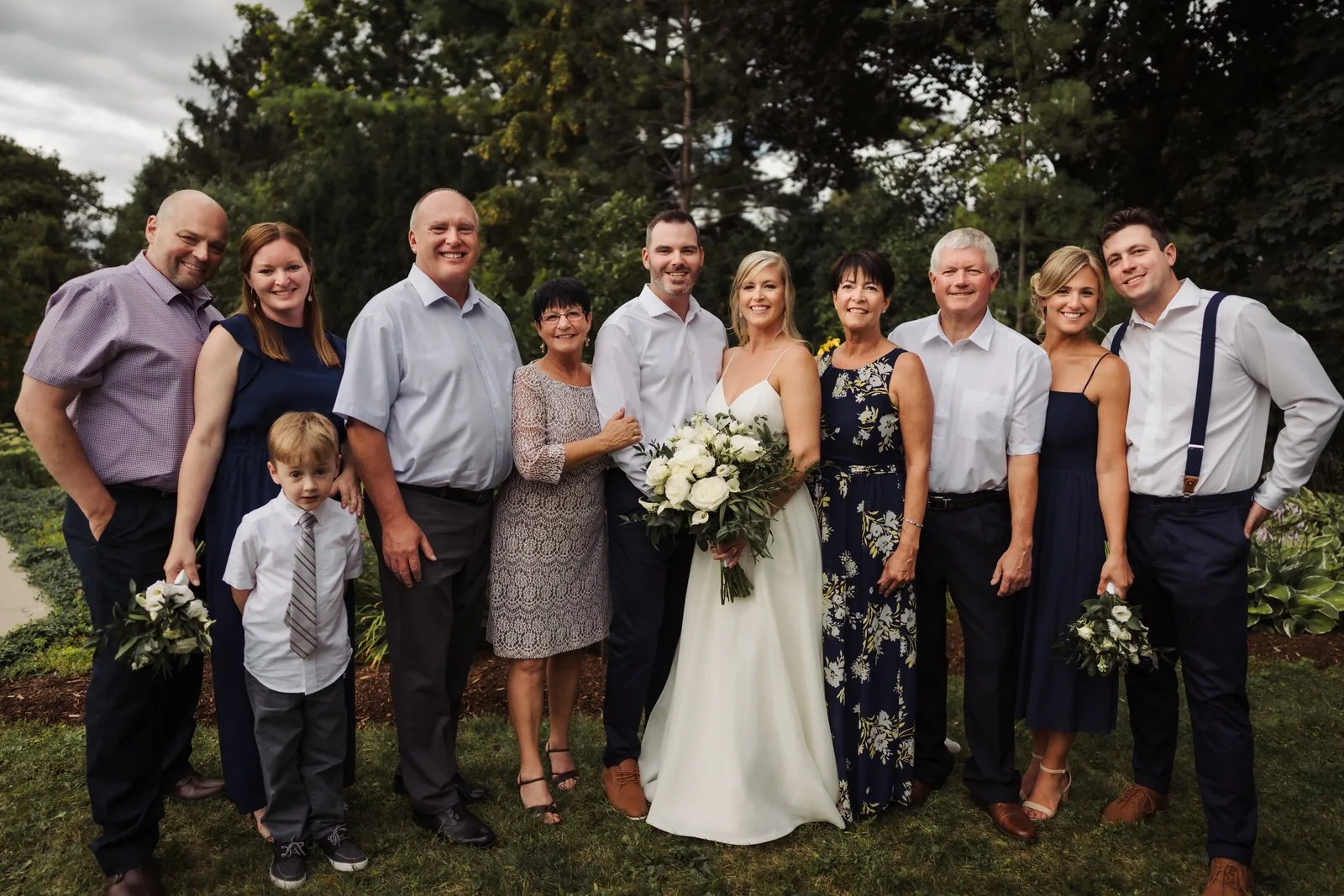
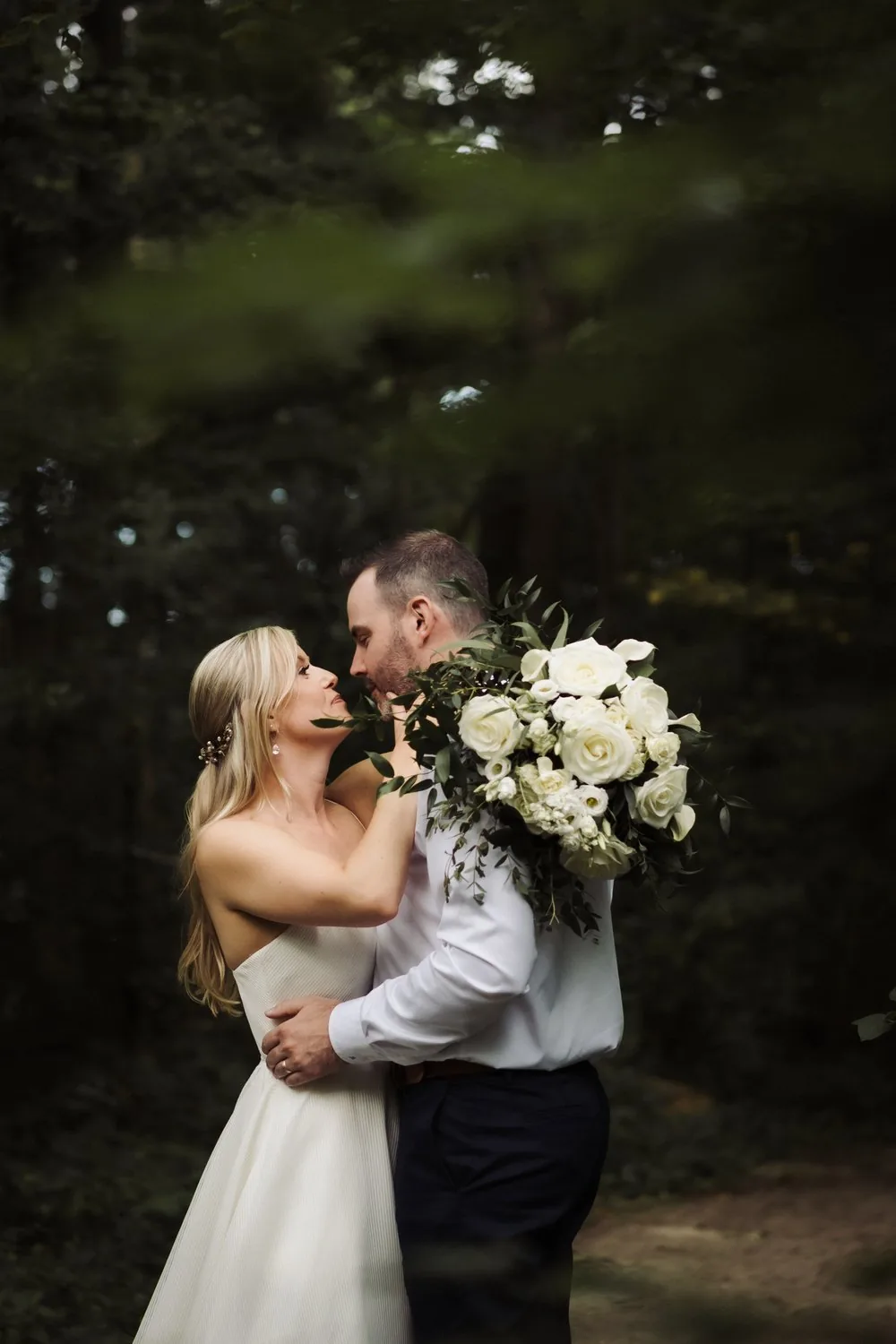
Some of the most personal weddings we've ever photographed didn't happen at a venue at all — they happened in a backyard. Last August, just outside Kitchener, a couple got married on the bride's family property: the lawn she grew up running across, the trees her parents planted, a tent full of the people who know her best. This is our photographer's guide to pulling off an at-home wedding like that one — what works, what to plan for, and why a backyard can be the most beautiful "venue" of all.
Why a Backyard Wedding?
An at-home wedding gives you something no rented venue can: meaning built into every corner of the frame. The light through a familiar maple, the porch where the family photos happen, the kitchen everyone ends up in — these aren't backdrops, they're part of your story.
For couples with access to a bit of land — a family farm, a big backyard, a relative's property — it's one of the most rewarding ways to get married. It's also flexible: you set the timeline, the guest list, and the rules. You can start getting ready in your childhood bedroom and walk down an aisle that's really just the path to the garden. The trade-off is that a backyard is a blank canvas — which means the planning falls to you rather than a venue coordinator. Here's how to think about it.

Start With the Space
Before anything else, walk the property and be honest about how many people it can comfortably hold. A good rule of thumb: plan for the ceremony seating, a tent or reception area, a dance floor, catering prep, and parking — all at once. A yard that feels huge when it's empty fills up fast once you add a tent and 100 chairs.
Map out three zones: where you'll say your vows, where you'll eat and dance, and a quiet "back of house" area for caterers and vendors to work out of sight. If the yard is tight, a ceremony-then-flip approach (using the same space for both) can work beautifully with the right team.
The Tent Is Your Insurance Policy
In southern Ontario, an August afternoon can be 30°C and brilliant, or it can roll in a thunderstorm by four o'clock. A tent isn't just décor — it's your rain plan, your shade, and your evening shelter once the temperature drops. Book it early; the good rental companies are reserved months ahead for peak summer Saturdays.
If you tent the reception, ask your rental company about clear-top or sailcloth tents. They let in dramatically more natural light, which keeps both photos and video looking soft and warm well into the evening — far better than the flat, dim look you get under a heavy vinyl tent.
Plan the Unglamorous Logistics
Backyard weddings live or die on the details a venue would normally handle for you. The big four:
Power. Caterers, the band or DJ, lighting, and the bar all need electricity. Most home circuits can't carry all of it — talk to your caterer about whether you need a quiet generator.
Restrooms. For more than about 30 guests, rent proper washroom trailers rather than running everyone through the house. The upscale ones are genuinely nice and save your home's plumbing.
Parking and noise. Think about where cars go, and be a good neighbour — give the people nearby a heads-up, and check your municipality's noise by-laws for when amplified music has to wind down. A little courtesy upfront prevents problems on the night.
Ground and weather. Heels sink into lawns; long grass holds dew. Mow a few days ahead, and consider a floor for the dance area.
Make the Most of the People
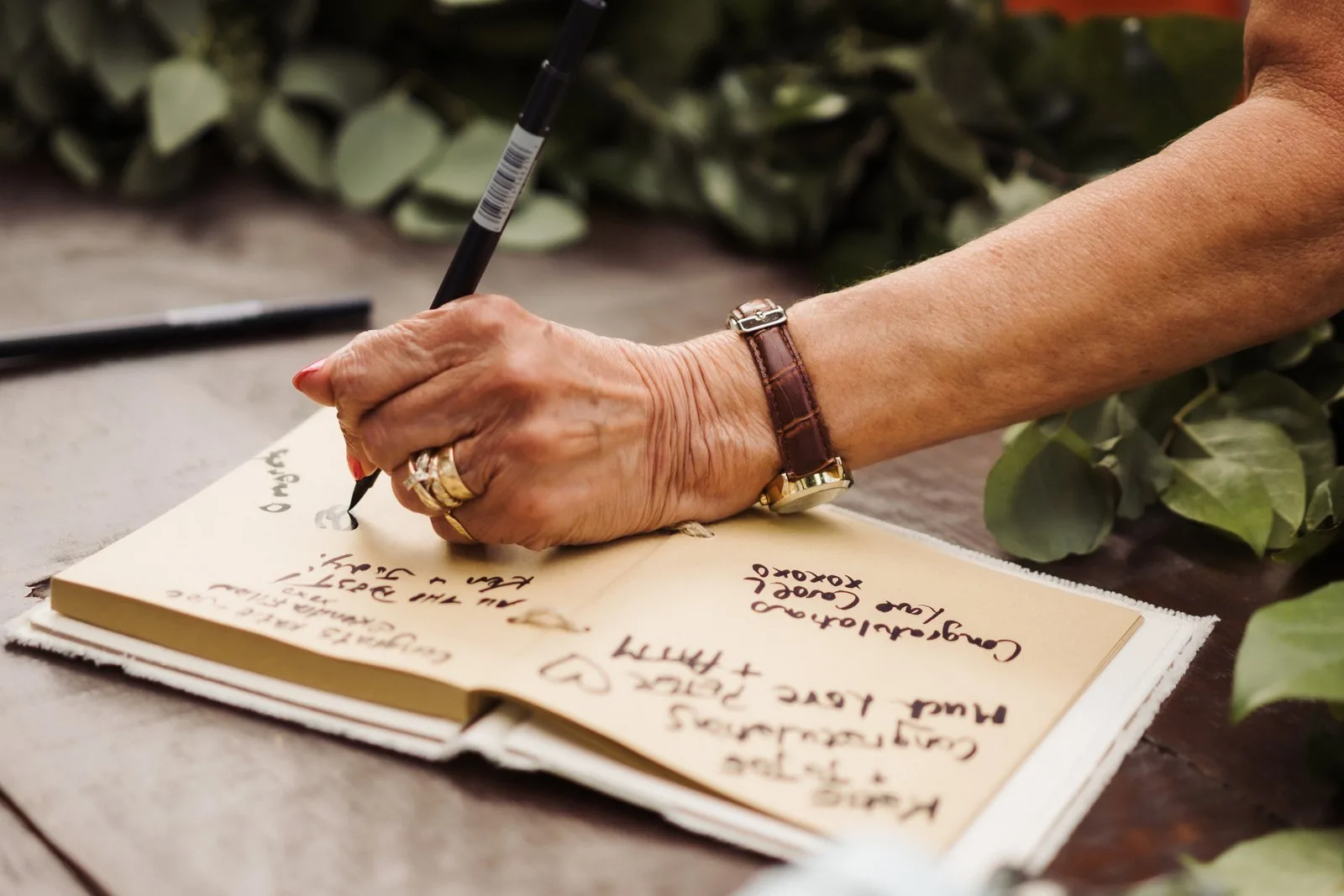
The thing we love most about at-home weddings is how relaxed everyone is. There's no venue clock ticking, no "next event" being staged behind you. The wedding party tends to settle in, the parents aren't watching the door, and the whole day feels like the best backyard party of your life — because that's exactly what it is.
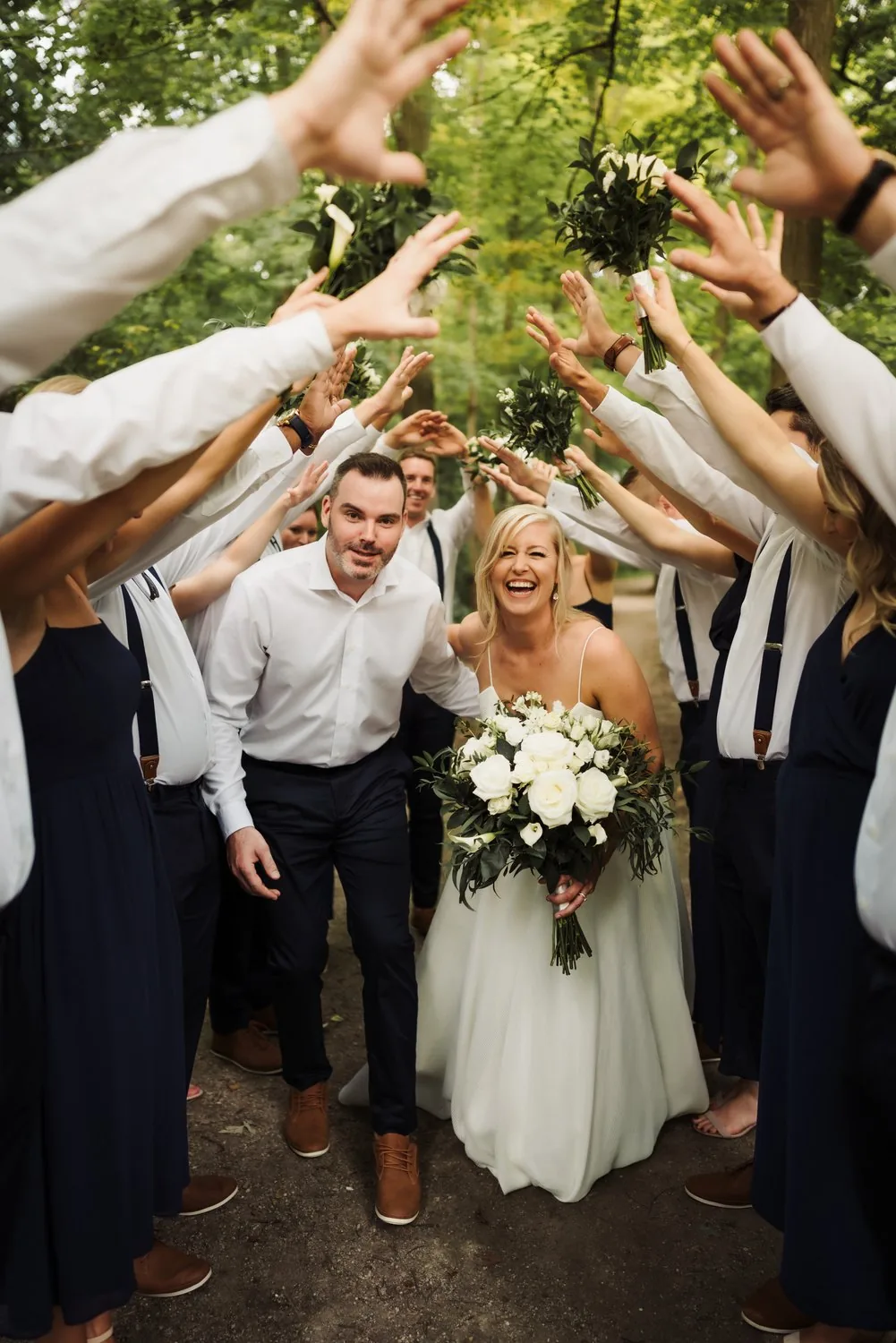
That ease shows up in the photos and the film. Candid, unhurried, full of the small in-between moments — which happens to be exactly the kind of documentary storytelling we love to shoot.
A Note on Light & Timing
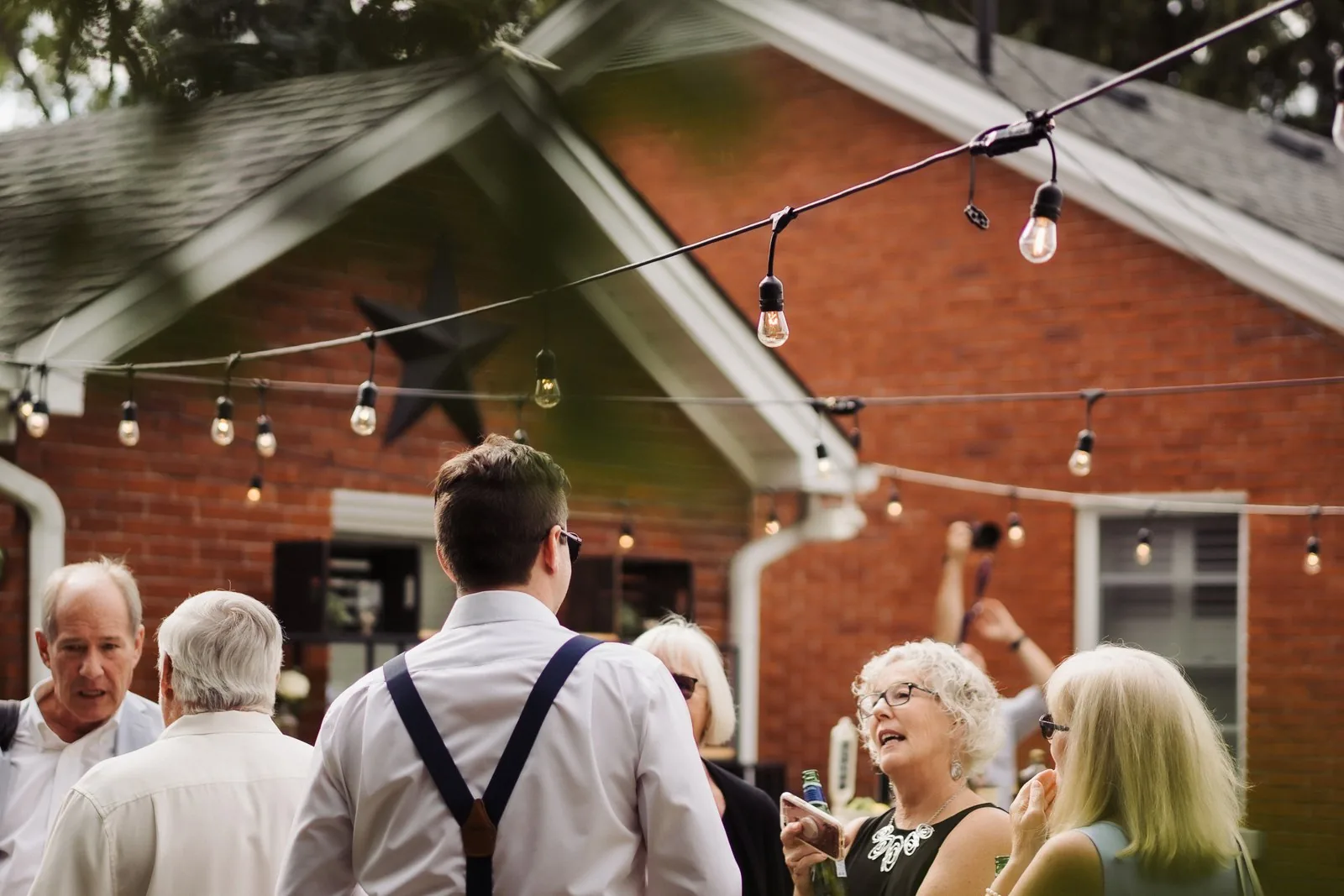
The single biggest thing you control at a backyard wedding is when things happen. In August, the prettiest light arrives in the last hour or two before sunset. If you can, set your ceremony so portraits land in that golden window, and let the reception roll into the evening as the string lights take over. Tell your photographer the property's orientation ahead of time — we'll happily help you build a timeline around the light rather than fighting it.
Dreaming of a Backyard-Style Wedding in Prince Edward County?
If you love the relaxed, personal feeling of an at-home wedding but don't have the property for it, Prince Edward County is the next best thing — and it's our home. The County is full of private estates, vineyards, lakeside fields, and heritage barns that give you that same intimate, outdoor, celebration-in-a-field atmosphere, with a backdrop that's genuinely hard to beat anywhere in Ontario. It's where we shoot most of our weddings, and where we know the light, the venues, and the seasons better than anyone.
If you're just starting to plan, our wedding photography & film page shows how we work, and our guide to the best wedding venues in Prince Edward County is a great place to begin dreaming up your day.
Planning a wedding in the County?
We're based in Prince Edward County and photograph and film weddings across the region — from winery estates to backyard celebrations. Tell us about your day; we'd love to hear it.
Check our availability